Copyright: © 2025 by the authors. Licensee: Pirogov University.
This article is an open access article distributed under the terms and conditions of the Creative Commons Attribution license (CC BY).

ORIGINAL RESEARCH

Etiological structure of enterovirus infection in children in the Moscow region

Polyakova VA1 , Davydova EE1 , Luparev AR1 , Matsvay AD1 , Gnusareva NI1 , Gordukova MA2 , Galeeva EV2 , Tolokonceva AA1 , Shipulin GA1
About authors

1 Center for Strategic Planning and Management of Medical and Biological Health Risks of the Federal Medical Biological Agency, Moscow, Russia

2 Speransky Children's City Clinical Hospital No. 9, Moscow, Russia

Correspondence should be addressed: Ekaterina E. Davydova
Pogodinskaya, 10, Moscow, 119121, Russia, еur.abmfpsc@avodyvad

About paper

Author contribution: Polyakova VA, Luparev AR, Matsvay AD, Gnusareva NI, Gordukova MA, Galeeva EV, Tolokonceva AA — conducting the research; Davydova EE, Polyakova VA, Luparev AR — literature analysis; Davydova EE, Luparev AR — data interpretation; Gordukova MA, Galeeva EV — collection of biological samples; Polyakova VA — article authoring; Davydova EE — manuscript editing; Polyakova VA — preparation of illustrations; Shipulin GA — supervision and procurement of funding.

Compliance with ethical standards: the study was approved by the Ethics Committee of the Children's City Clinical Hospital No. 9 named after G.N. Speransky (Minutes No. 44 of April 19, 2022), conducted in accordance with the principles of the Declaration of Helsinki. All participants submitted signed informed consent forms prior to participation in the study.
Received: 2025-11-24 Accepted: 2025-12-13 Published online: 2025-12-25
|
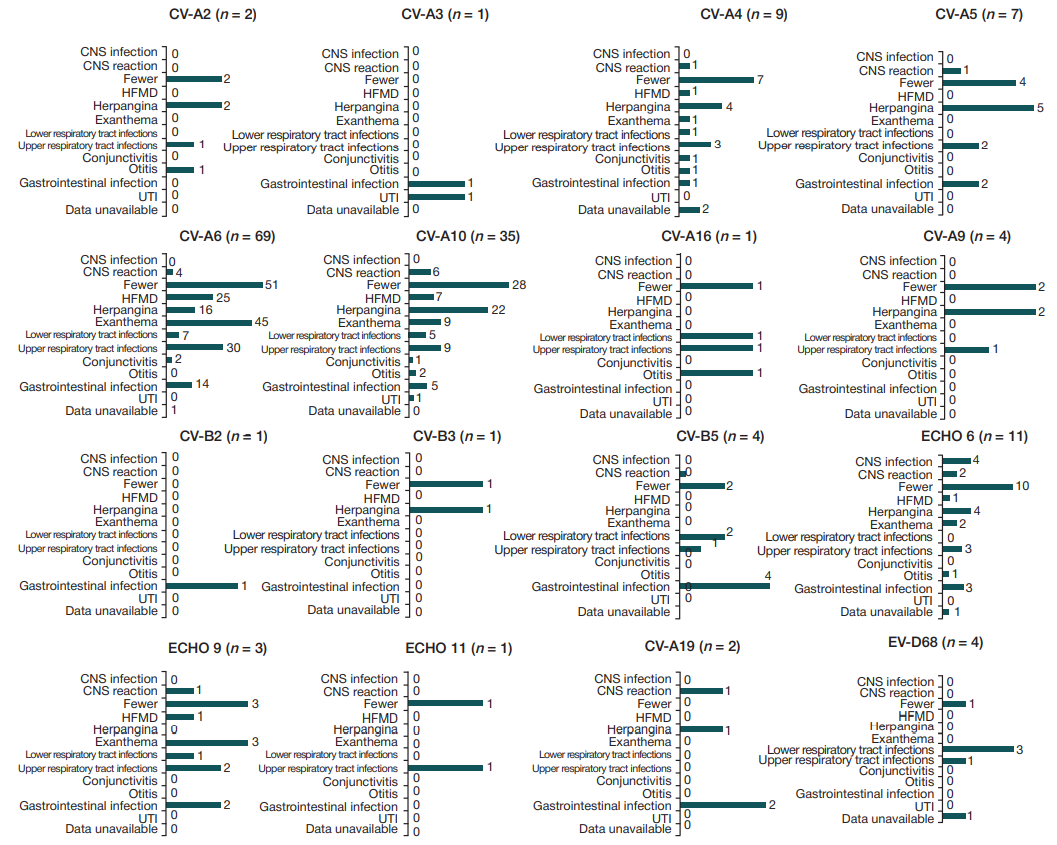
Fig. 1. The relationship of clinical symptoms with the type of enterovirus. CNS infection — infection of the central nervous system (meningitis); CNS reaction — reaction of the central nervous system (encephalopathy, meningism, seizures, impaired consciousness, apnea); fever (subfebrile, febrile, pyretic fever); HFMD — hand, foot and mouth disease — enterovirus vesicular stomatitis with exanthema; herpangina — enterovirus vesicular pharyngitis; lower respiratory tract infections — bronchitis, pneumonia; upper respiratory tract infections — rhinitis, pharyngitis, tonsillitis, tracheitis; gastrointestinal infection — infectious gastritis, enteritis, colitis; UTI — urinary tract infection
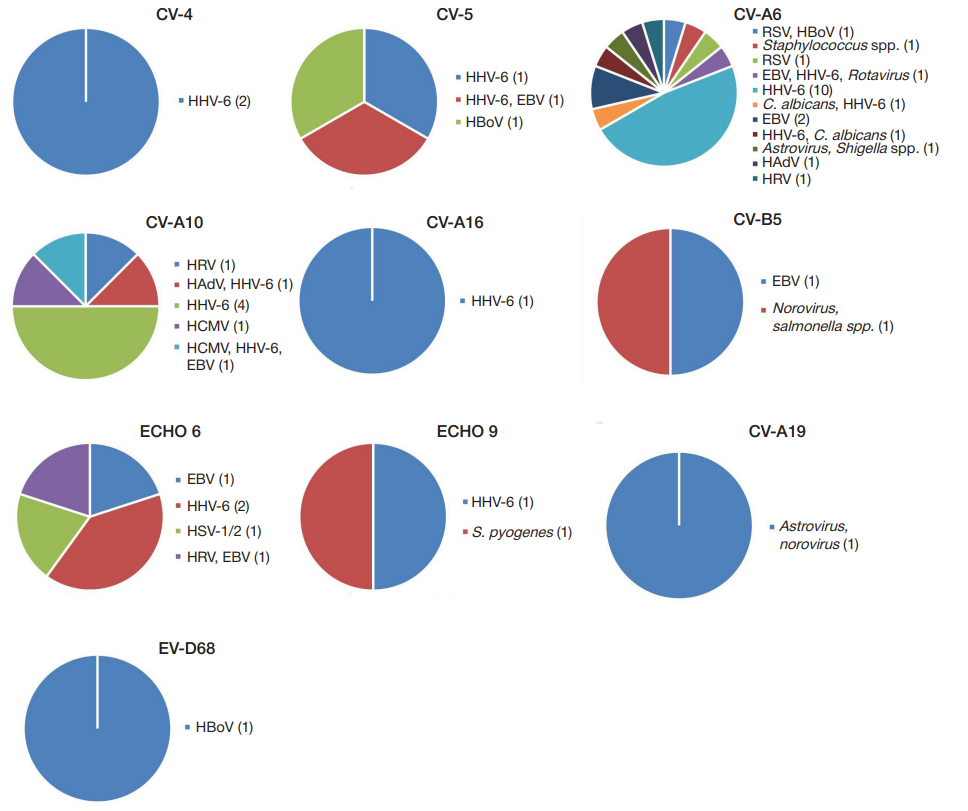
Fig. 2. Identification of various concomitant infectious agents in patients with EV infection
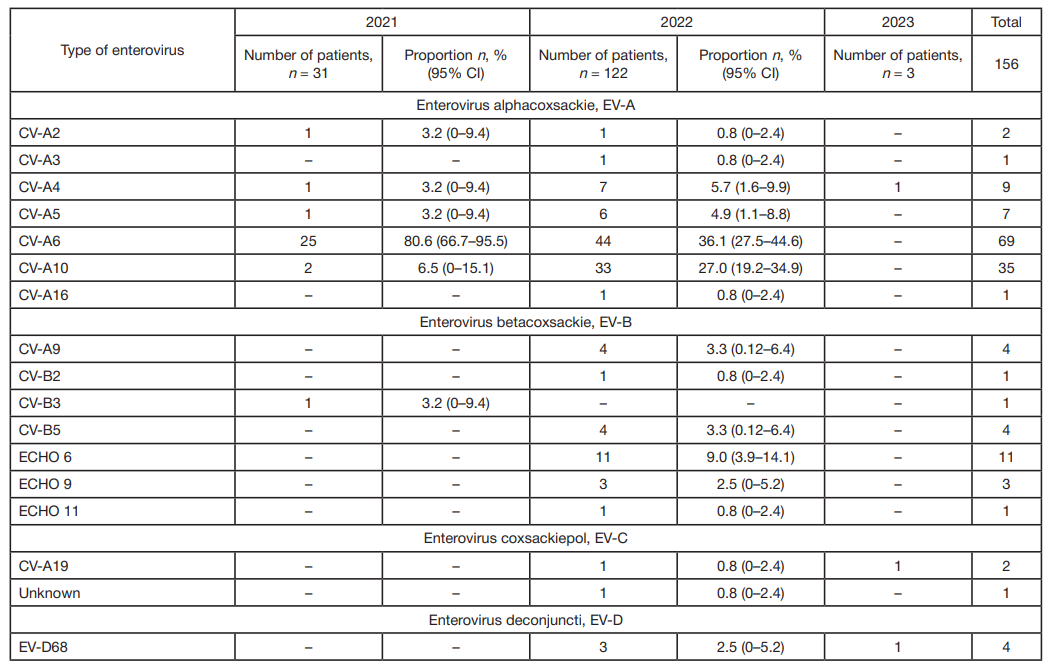
Table 1. Results of typing of enteroviruses in biological material collected from children in 2021–2023 in Moscow
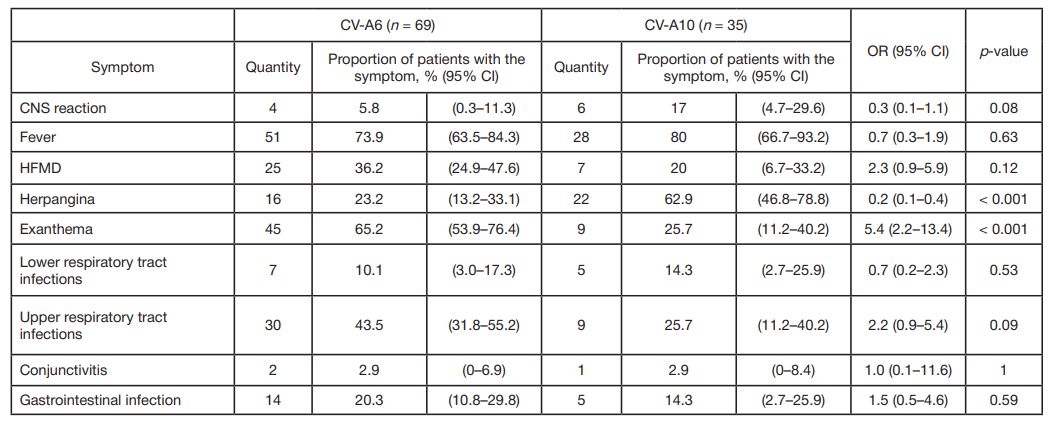
Table 2. Comparison of clinical symptoms, CV-A6 and CV-A10 types