Copyright: © 2025 by the authors. Licensee: Pirogov University.
This article is an open access article distributed under the terms and conditions of the Creative Commons Attribution license (CC BY).

ORIGINAL RESEARCH

Expression of chemokine receptors CXCR4 and CXCR7 in EpCAM-positive and EpCAM-negative CTCs in breast cancer

About authors

1 Cancer Research Institute, Tomsk National Research Medical Center, Russian Academy of Sciences, Tomsk, Russia

2 Saint Petersburg State Pediatric Medical University, Saint Petersburg, Russia

Correspondence should be addressed: Evgeniya S. Grigoryeva
per. Kooperativny, 5, Tomsk, 634009, Russia; moc.liamg@se.aveyrogirg

About paper

Funding: the study was supported by the Russian Science Foundation (grant No. 23-15-00135).

Author contribution: Grigorieva ES, Savelieva OE, Zavyalova MV — data collection and analysis; Grigorieva ES, Tashireva LA — writing and editing; Perelmuter VM — research supervision; Cherdyntseva NV — project funding.

Compliance with ethical standards: the study was approved by the Local Ethics Committee of Tomsk National Research Medical Center (17 June 2016, the approval No. 8) and complied with the Declaration of Helsinki. All participants gave written informed consent.
Received: 2025-10-24 Accepted: 2025-11-29 Published online: 2025-12-08
|
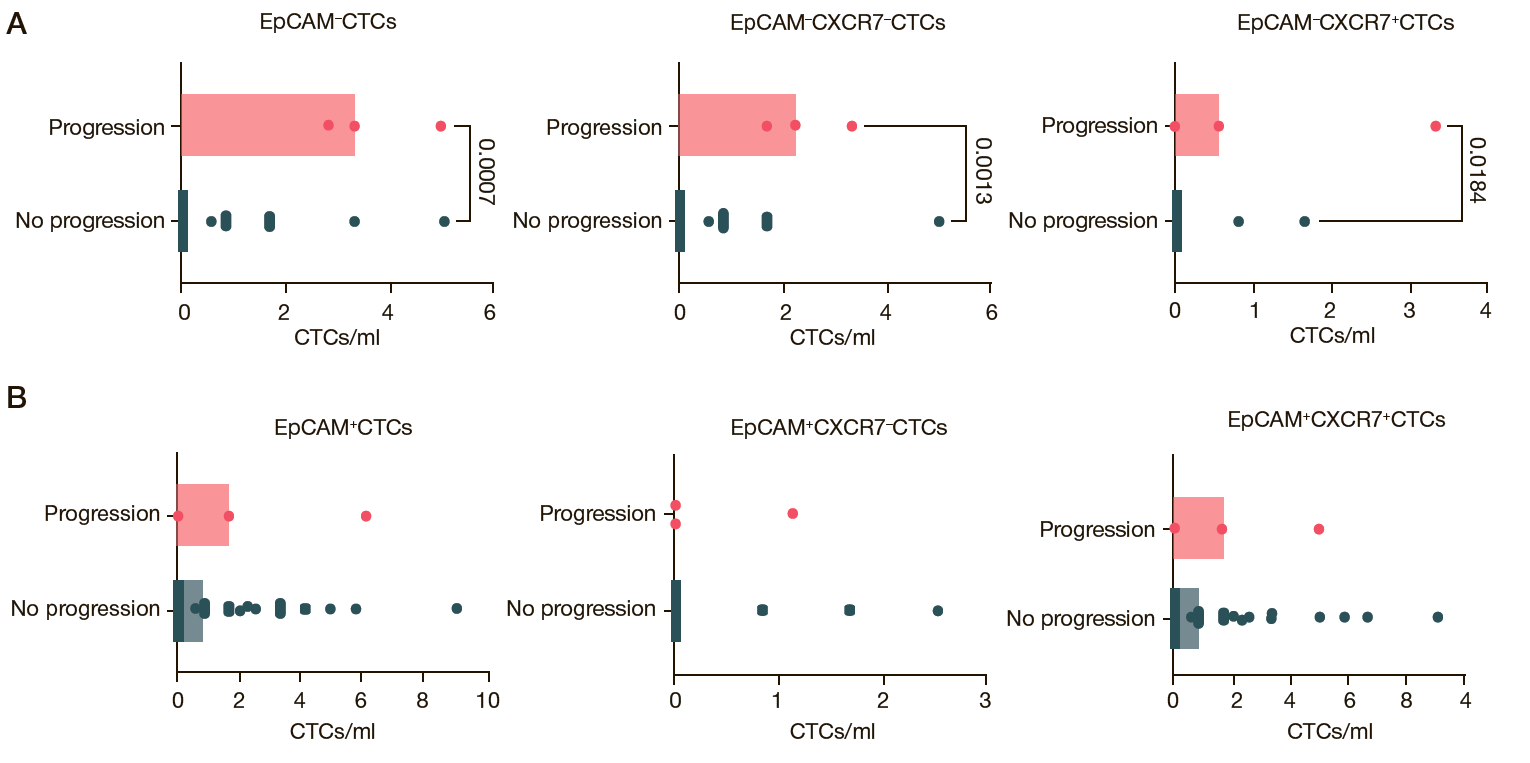
Fig. 1. Number of EpCAM- (A) and EpCAM+ (B) CTCs according to CXCR4/7 expression in breast cancer patients with tumor progression during the 6-year follow-up period
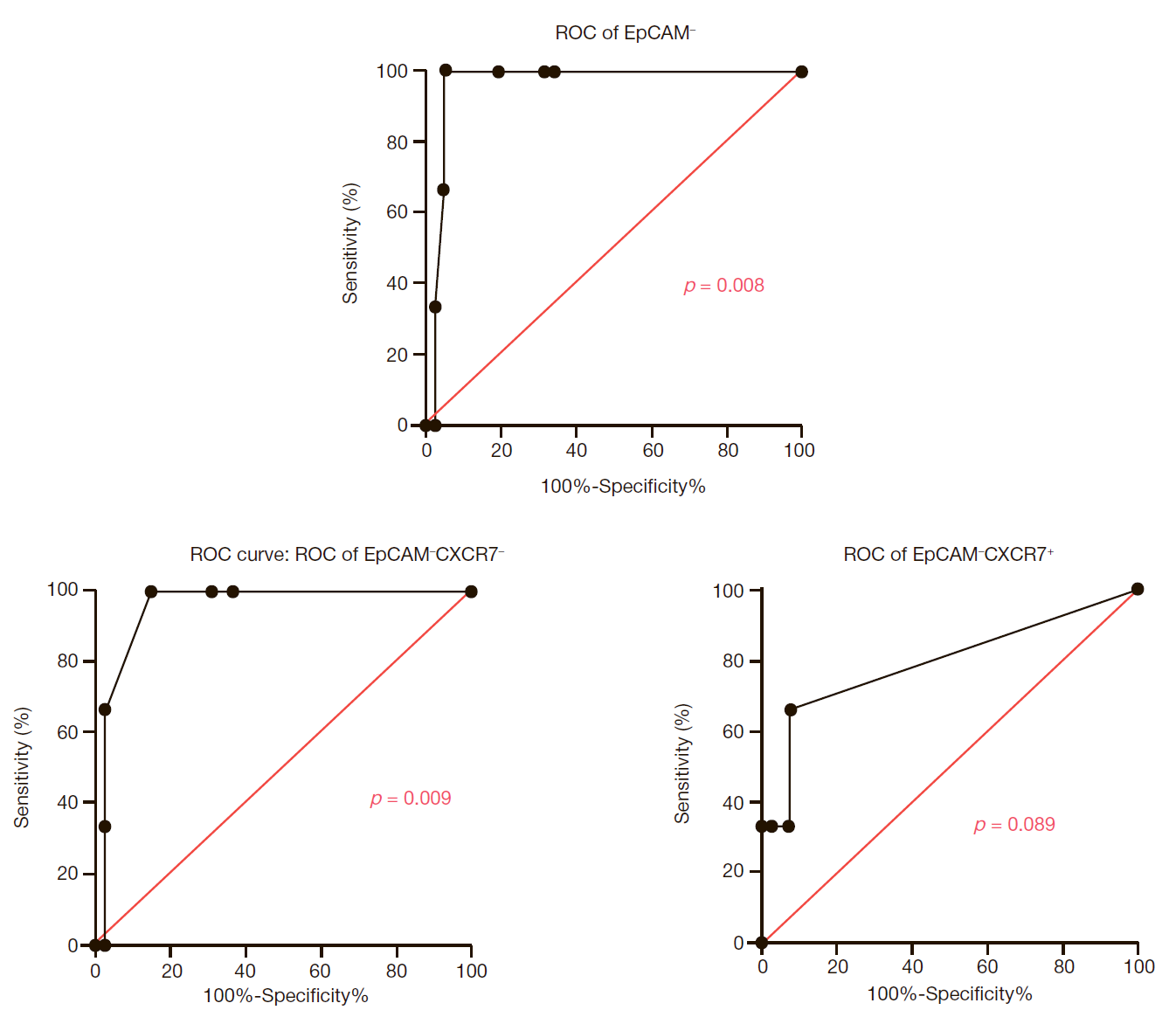
Fig. 2. ROC analysis of EpCAM+ CTCs according to CXCR4/7 expression in breast cancer patients with tumor progression during the 6-year follow-up period
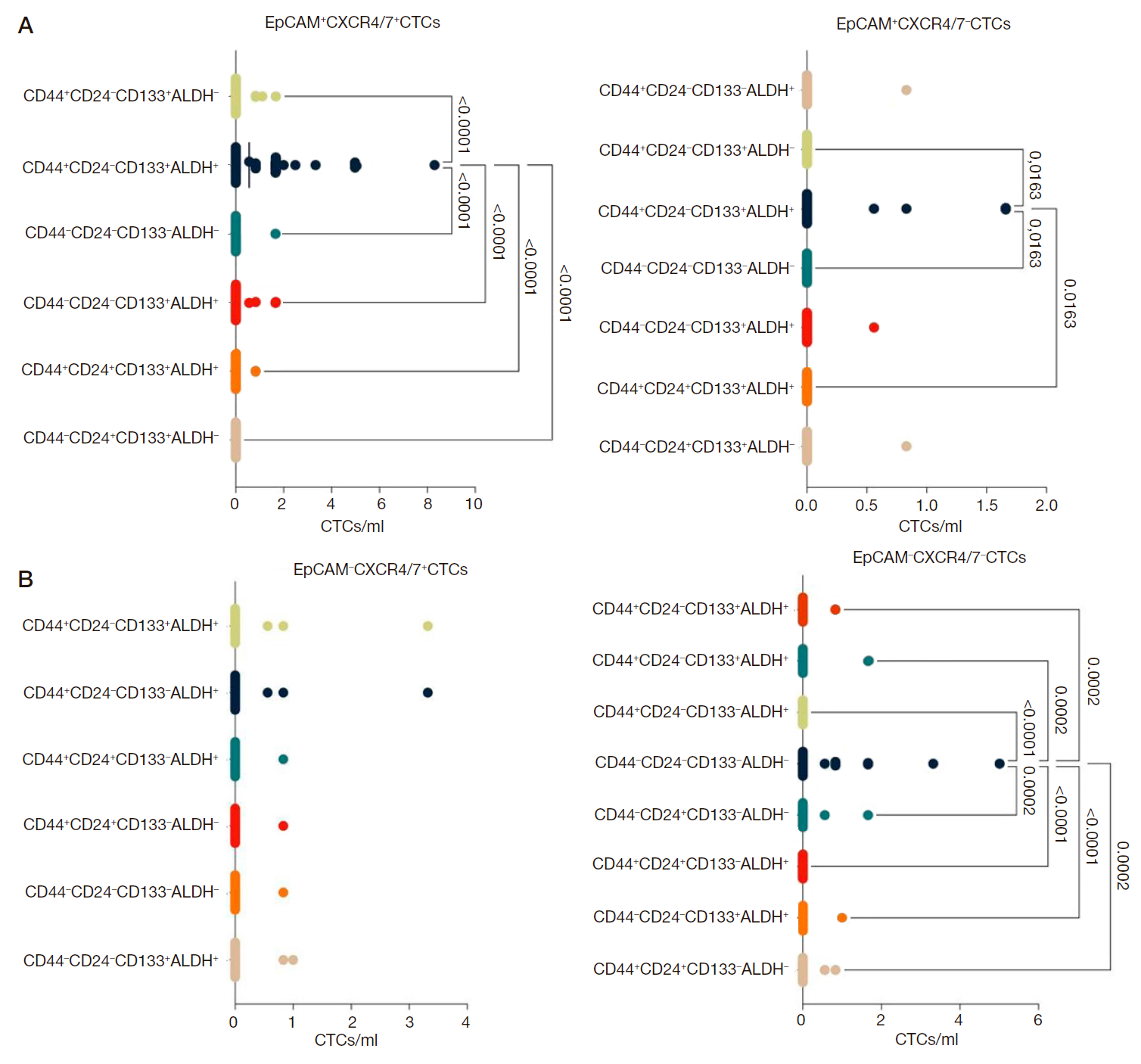
Fig. 3. Number of EpCAM+ (A) and EpCAM- (B) CTCs considering CXCR4/7 expression with stem features in breast cancer patients
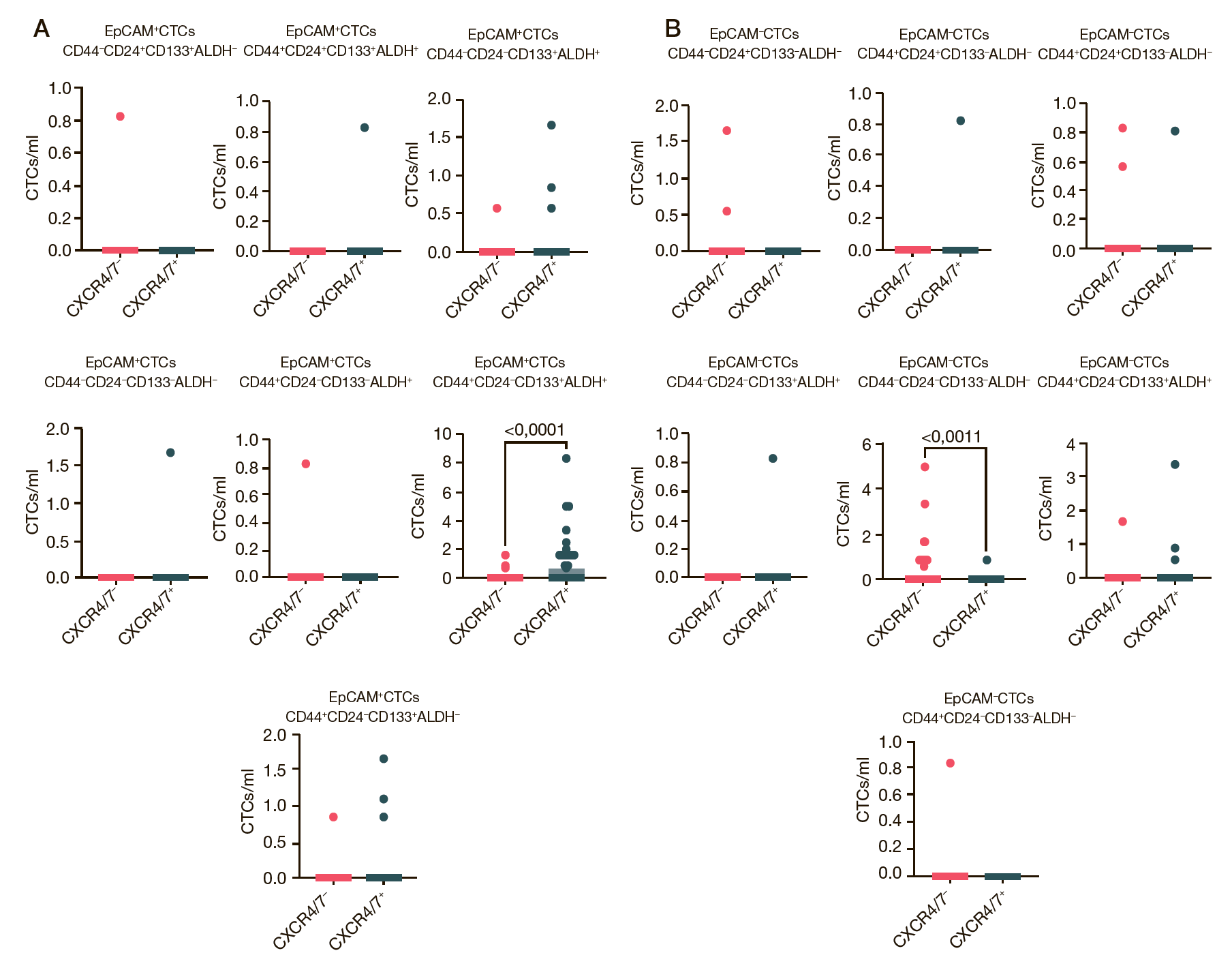
Fig. 4. Comparison of the number of EpCAM+ (A) and EpCAM (B) CTCs with stemness properties according to CXCR4/7 expression in breast cancer
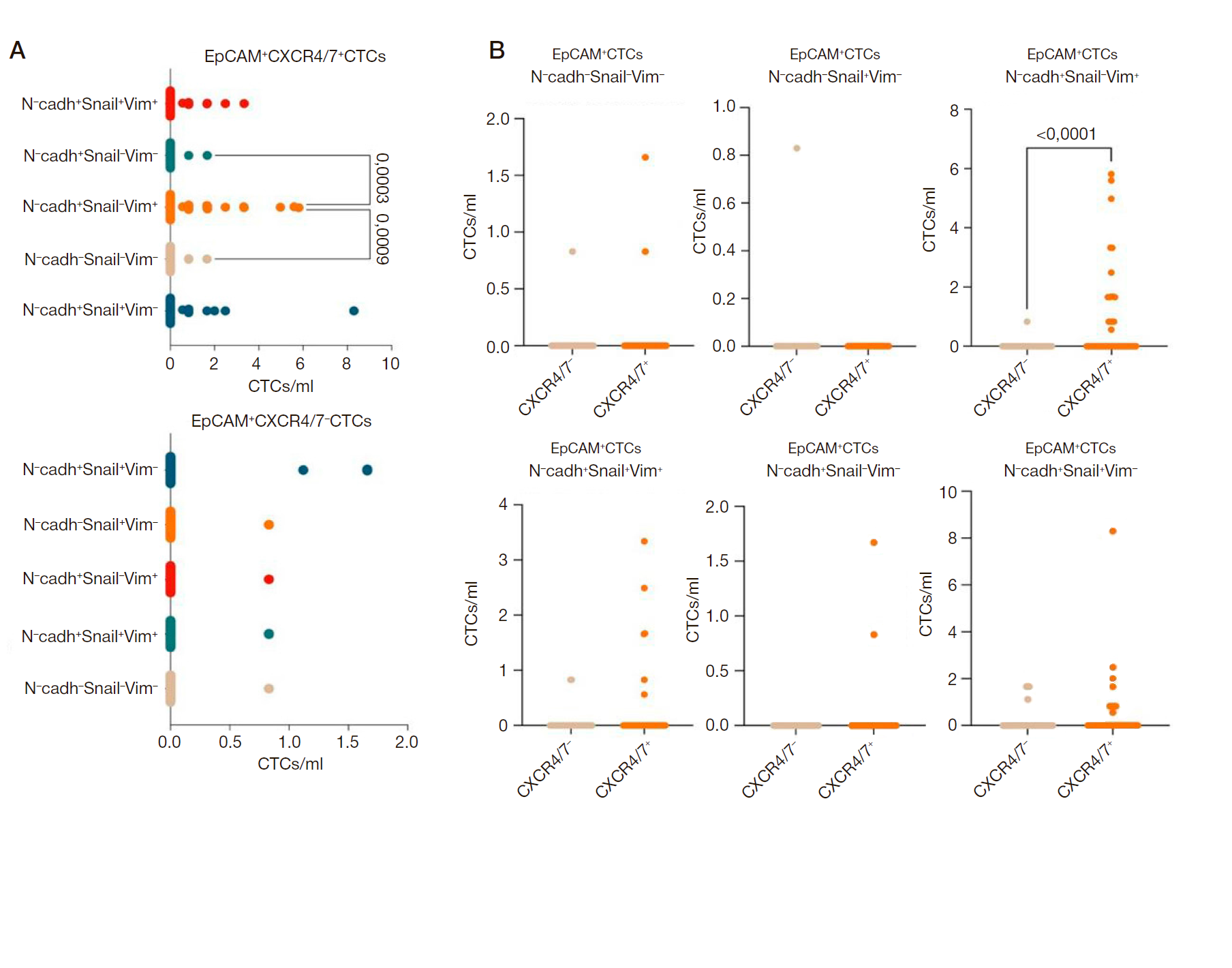
Fig. 5. Number of EpCAM+ CTCs considering CXCR4/7 expression with EMT features in breast cancer patients
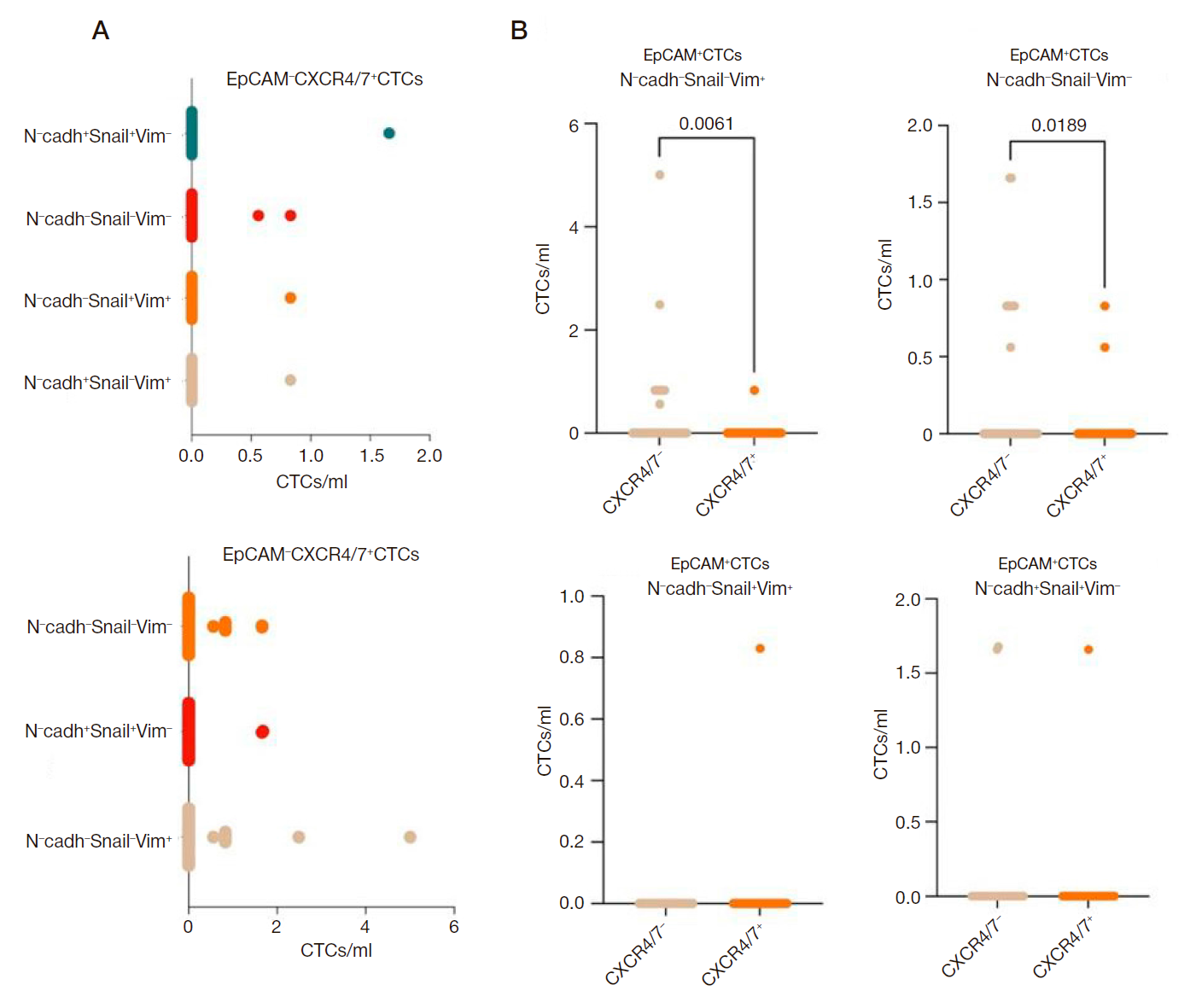
Fig. 6. Number of EpCAM- CTCs considering CXCR4/7 expression with EMT features in breast cancer patients
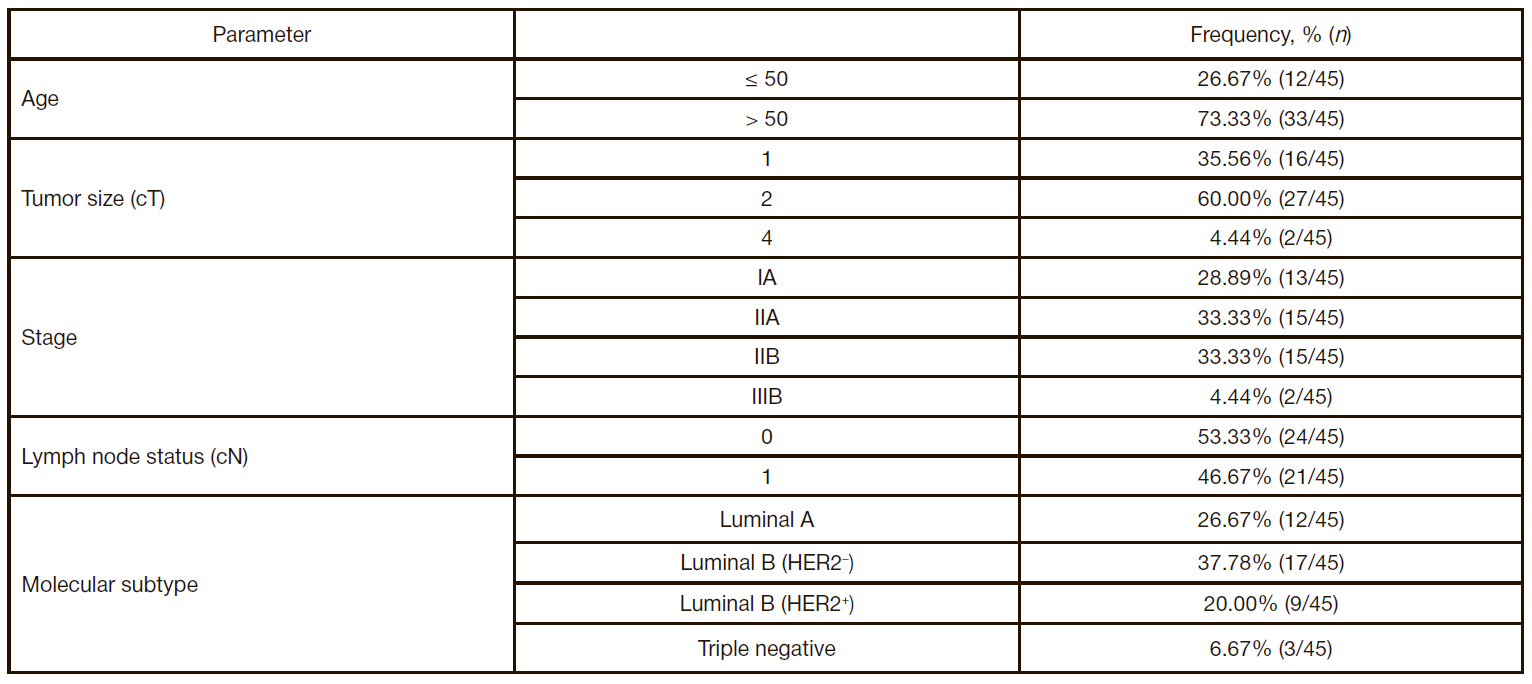
Table 1. Clinicopathological characteristics of patients included in the study of CTC subpopulation composition
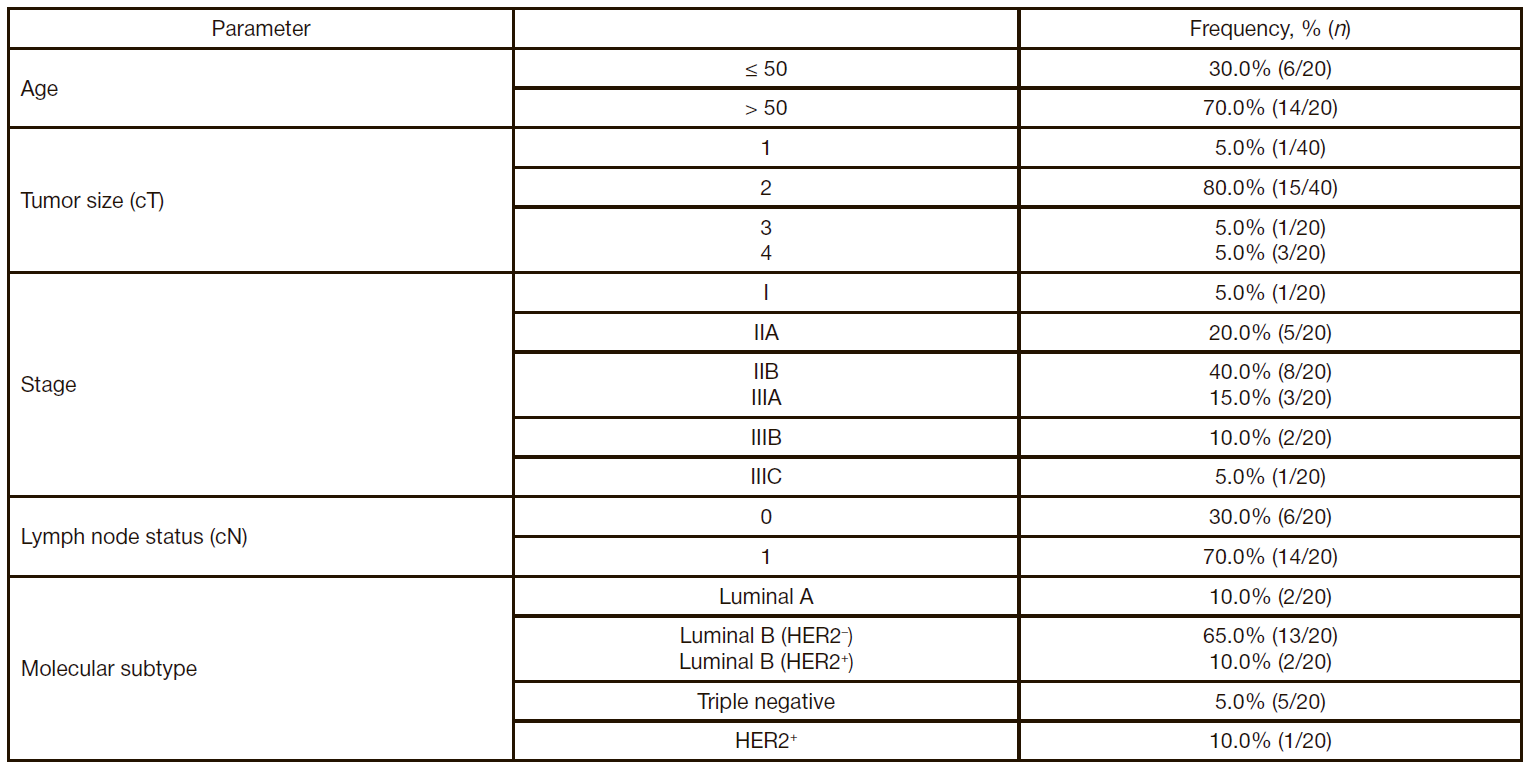
Table 2. Clinicopathological characteristics of patients included in the study of the transcriptional profile of circulating tumor cells