Copyright: © 2025 by the authors. Licensee: Pirogov University.
This article is an open access article distributed under the terms and conditions of the Creative Commons Attribution license (CC BY).

ORIGINAL RESEARCH

Single nucleotide variant rs293795 OGG1 as a genetic risk factor for diabetic nephropathy

Semikina EV , Azarova YuE , Panichev SA , Basareva OI , Dzhanchatova NV , Alferova EJ , Polonikov AV
About authors

Kursk State Medical University, Kursk, Russia

Correspondence should be addressed: Iuliia E. Azarova
Yamskaya, 18, Kursk, 305041, Russia;Email: ur.xednay@razzzza

About paper

Funding: the study was supported by a grant from the Russian Science Foundation (project No. 25-25-20072) and the Ministry of Education and Science of the Kursk Region (agreement No. 241 dated May 19, 2025).

Author contribution: Semikina EV — genotyping of DNA samples, analysis of obtained data, writing of the text; Azarova YuE — concept and design of the study, fundraising, collection and processing of materials, writing of the text; Panichev SA — genotyping of DNA samples, entering genotyping results into the database; Basareva OI — selection of functionally significant polymorphic variants of the OGG1 gene, selection of primers and probes for SNP genotyping; Dzhanchatova NV — genotyping of DNA samples; Alferova EYu — sample preparation: DNA extraction from blood, measurement of concentration and purity of DNA samples; Polonikov AV — analyzed the data, reviewed the literature, and made final edits. The authors approved the version for publication and agreed to be accountable for all aspects of the work, ensuring that any questions related to the accuracy and integrity of any part of it are properly reviewed and resolved.

Compliance with ethical standards: the study was approved by the Regional Ethics Committee at Kursk State Medical University (meeting minutes No. 1 dated January 20, 2025).
Received: 2025-11-21 Accepted: 2025-12-19 Published online: 2025-12-24
|
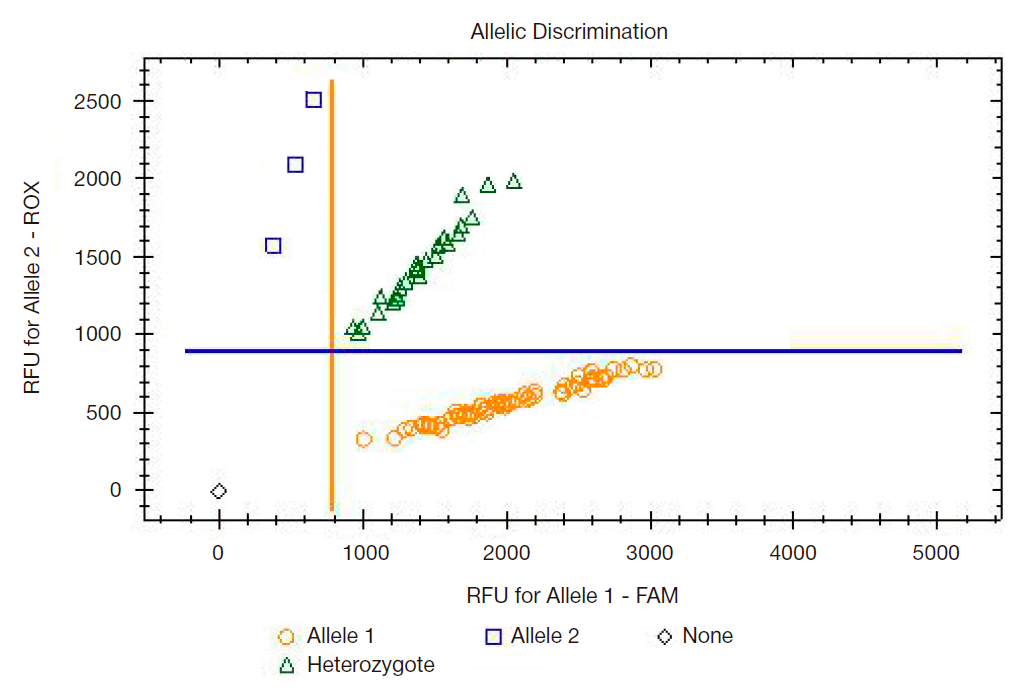
Fig. 1. Distribution of genotypes by locus rs2304277 of the OGG1 gene
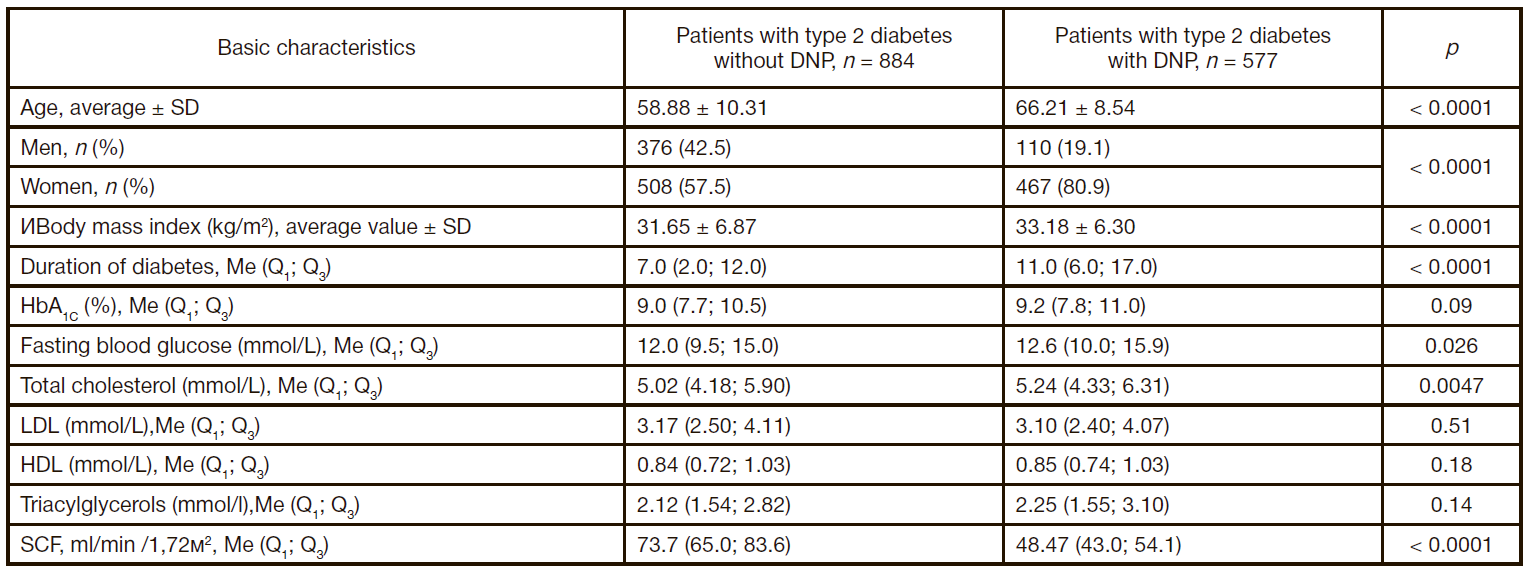
Table 1. Demographic, clinical and biochemical characteristics of patients with type 2 diabetes
Note: Me (Q1;Q3) — median, first and third quartiles; GFR — glomerular filtration rate (CKD-EPI); LDL — low-density lipoproteins; HDL — high-density lipoproteins.
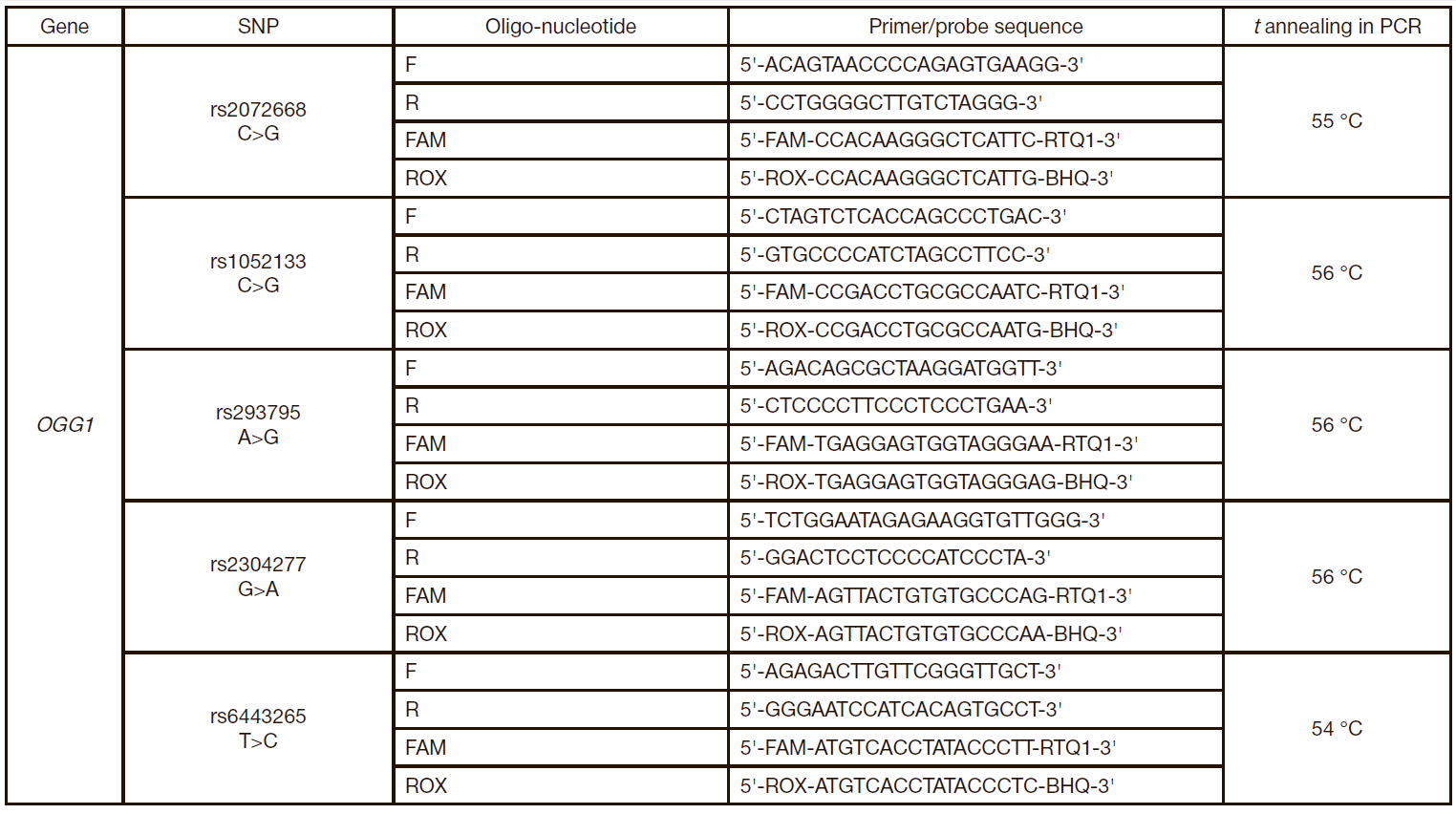
Table 2. Sequences of primers and allele-specific fluorescent probes for genotyping by real-time PCR
Note: F — forward primer, R — reverse primer, FAM — reference allele-specific fluorescently labeled probe, ROX — minor allele-specific fluorescently labeled probe.
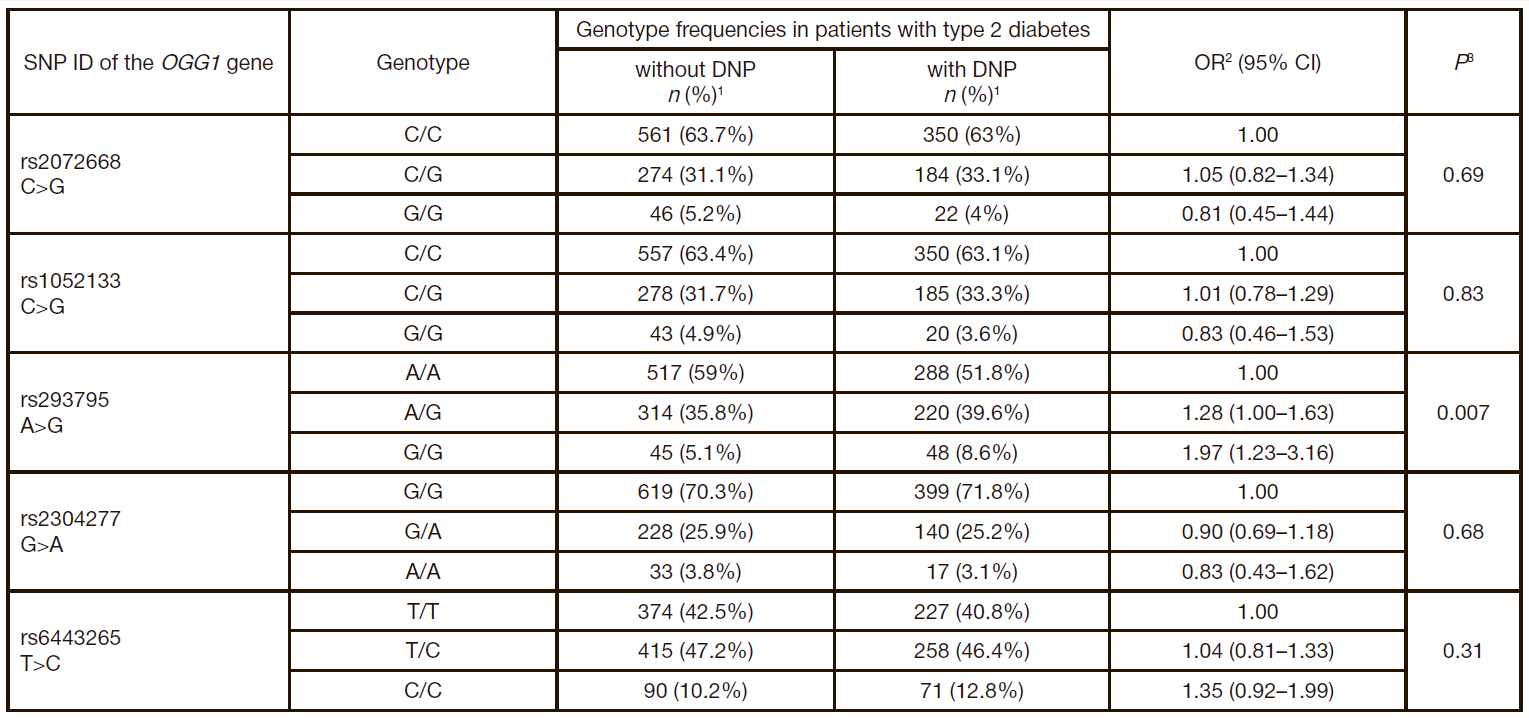
Table 3. Associations of OGG1 gene polymorphic variants with the risk of developing DNP in patients with type 2 diabetes
Note: 1 — Absolute number and percentage of individuals with a particular genotype; 2 — Odds ratio and 95% confidence interval of the SNP association with the phenotype, adjusted for sex, age, and BMI; 3 — Significance level of association according to the codominant model, adjusted for sex, age, and BMI.
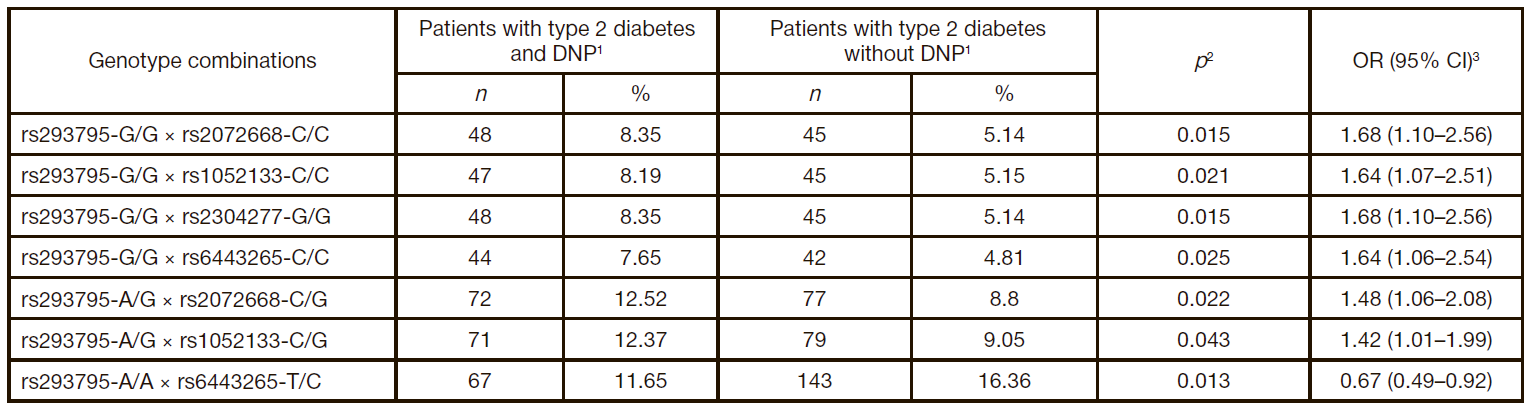
Table 4. Statistically significant associations of OGG1 gene diplotypes with the risk of developing DNP in patients with type 2 diabetes
Note: 1 — Absolute number and percentage of individuals with a particular genotype; 2 — Significance level; 3 — Odds ratio and 95% confidence interval. Minor alleles are underlined.
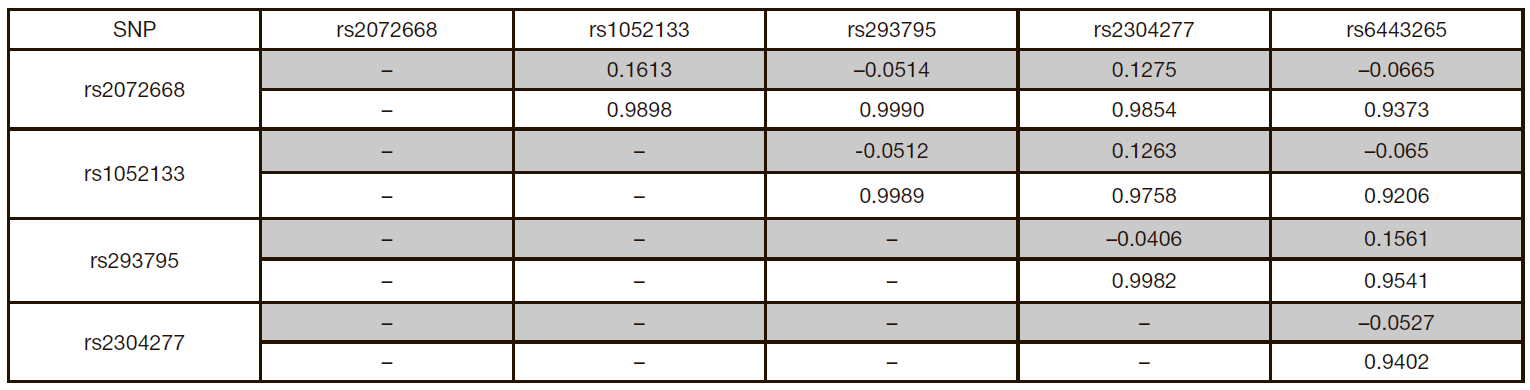
Table 5. Linkage disequilibrium analysis of the studied loci of the OGG1 gene
Note: The gray cells show the D values, the white ones show the D` values. p < 2 × 10–16.
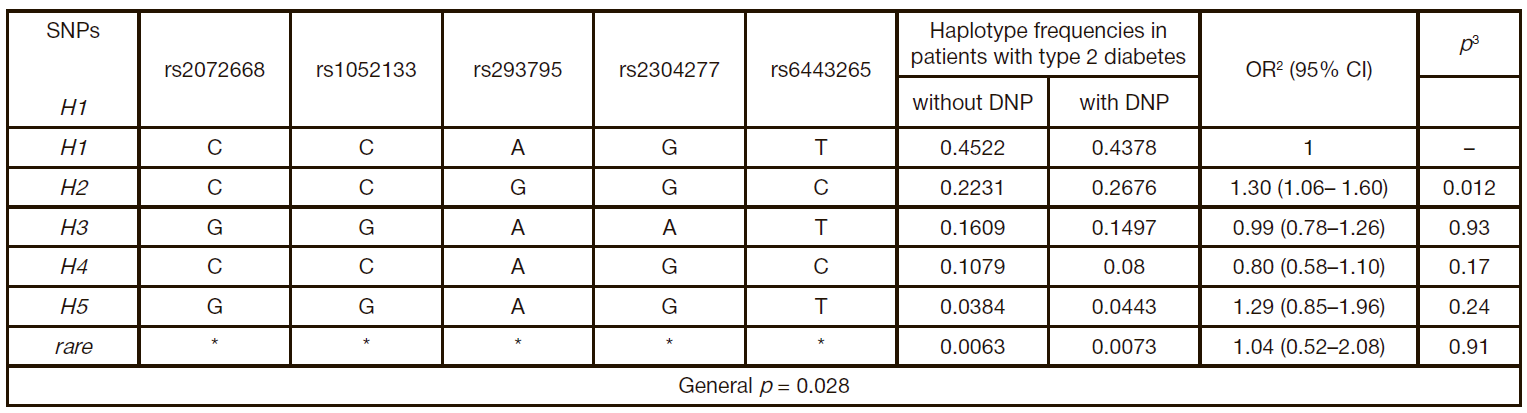
Table 6. Analysis of associations of OGG1 haplotypes with the risk of DNP in patients with T2DM
Note: 1 — Haplotype; 2 — Odds ratio and 95% confidence interval of the haplotype–phenotype association adjusted for sex, age, and BMI; 3 — Significance level of the association adjusted for sex, age, and BMI. Minor alleles are underlined.