Copyright: © 2026 by the authors. Licensee: Pirogov University.
This article is an open access article distributed under the terms and conditions of the Creative Commons Attribution license (CC BY).

ORIGINAL RESEARCH

Chemokine (C-C motif) ligand 19 and interleukin 23 in patients with post lyme disease syndrome and neurological involvement

Baranova NS , Ostapenko YaS , Baranov AA , Ovsyanikova LA , Spirin NN , Rechkina OP , Zolotavkina SS , Vdovenko OV , Semechkin NV
About authors

Yaroslavl State Medical University, Yaroslavl, Russia

Correspondence should be addressed: Natalia Sergeevna Baranova
Revolutsionnaya str., 5, Yaroslavl, 150000, Russia; ur.liam@sn_avonarab

About paper

Funding: the work was supported by the Ministry of Social Communications and Scientific and Technological Development of the Yaroslavl Region (grant agreement No. 26NP/2024 of December 25, 2024).

Author contribution: Baranova NS, Ostapenko YaS, Baranov AA, Spirin NN — study planning and design; Ostapenko YaS, Ovsyanikova LA, Rechkina OP, Zolotavkina SS, Vdovenko OV, Semechkin NV — data collection and research; Baranova NS, Ostapenko YaS, Baranov AA — data analysis; Baranova NS, Ostapenko YaS, Baranov AA — article authoring.

Compliance with ethical standards: the study was approved by the Ethics Committee of Yaroslavl State Medical University (Minutes No. 63 of September 14, 2023). All patients signed a voluntary informed consent.
Received: 2026-05-18 Accepted: 2026-06-13 Published online: 2026-06-26
|
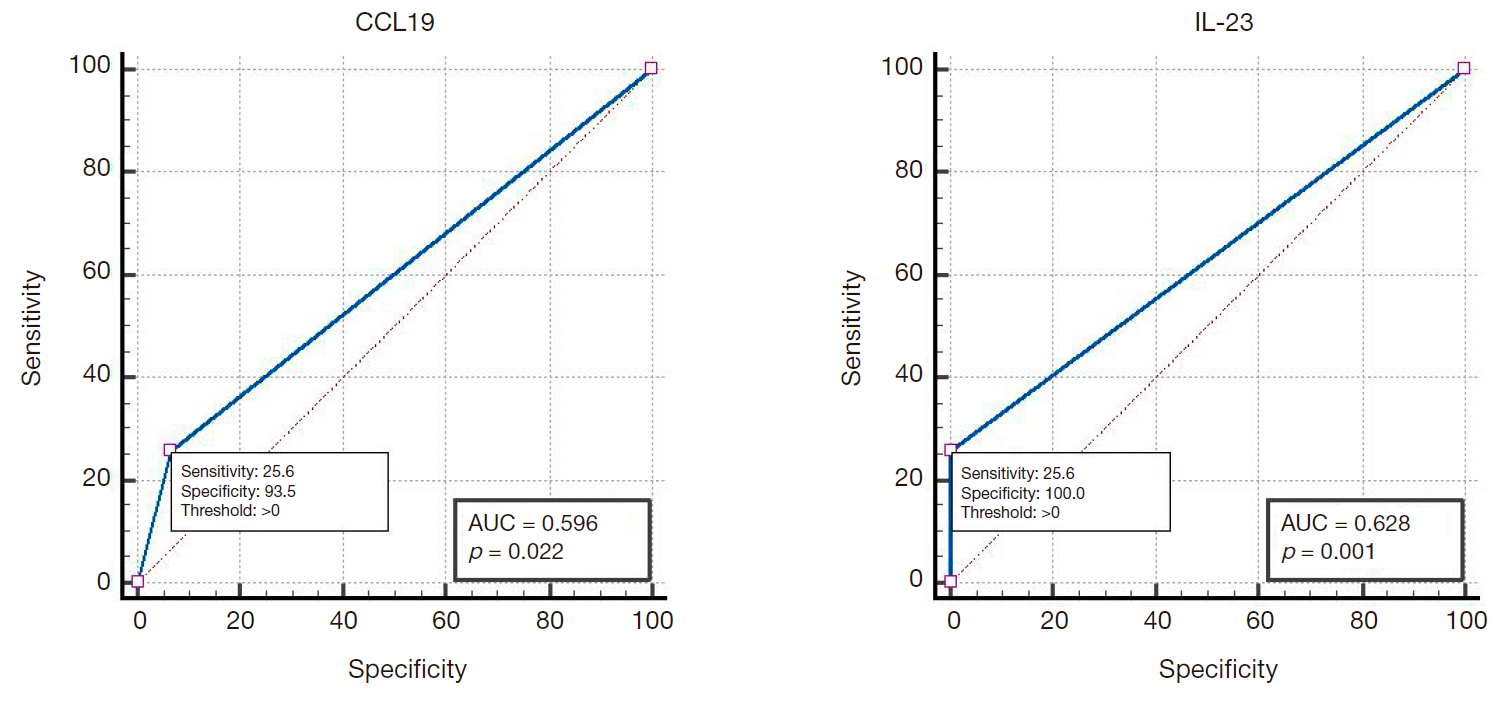
Fig. ROC curves showing the association between high CCL19 and IL-23 values and Group 1 patients (PLS), the cohort with PNS involvement
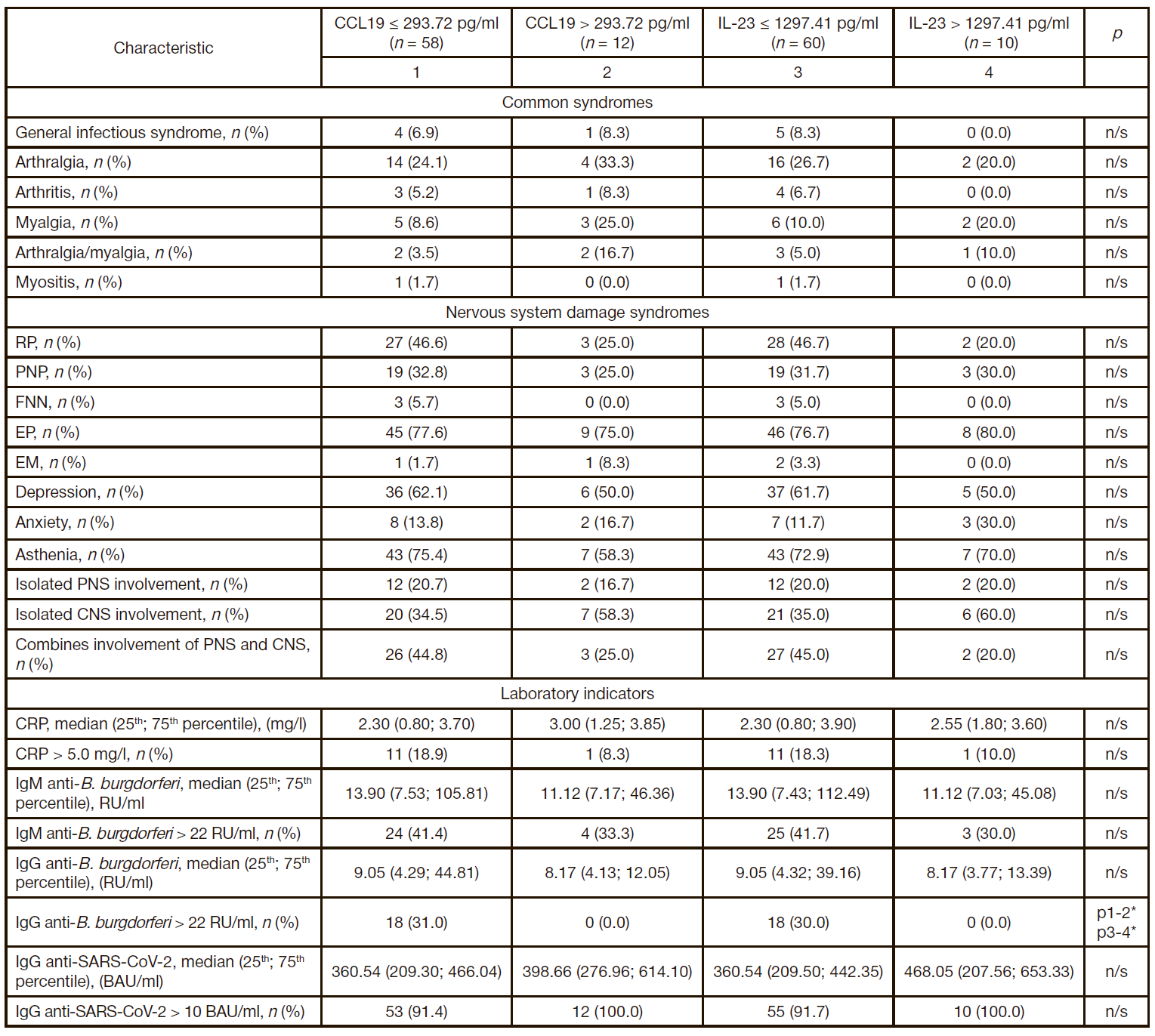
Table 1. Clinical and laboratory characteristics by CCL19 and IL-23 concentration
Note: * — the differences between the groups are significant, p < 0.05; n/s — the differences between the groups are not significant.
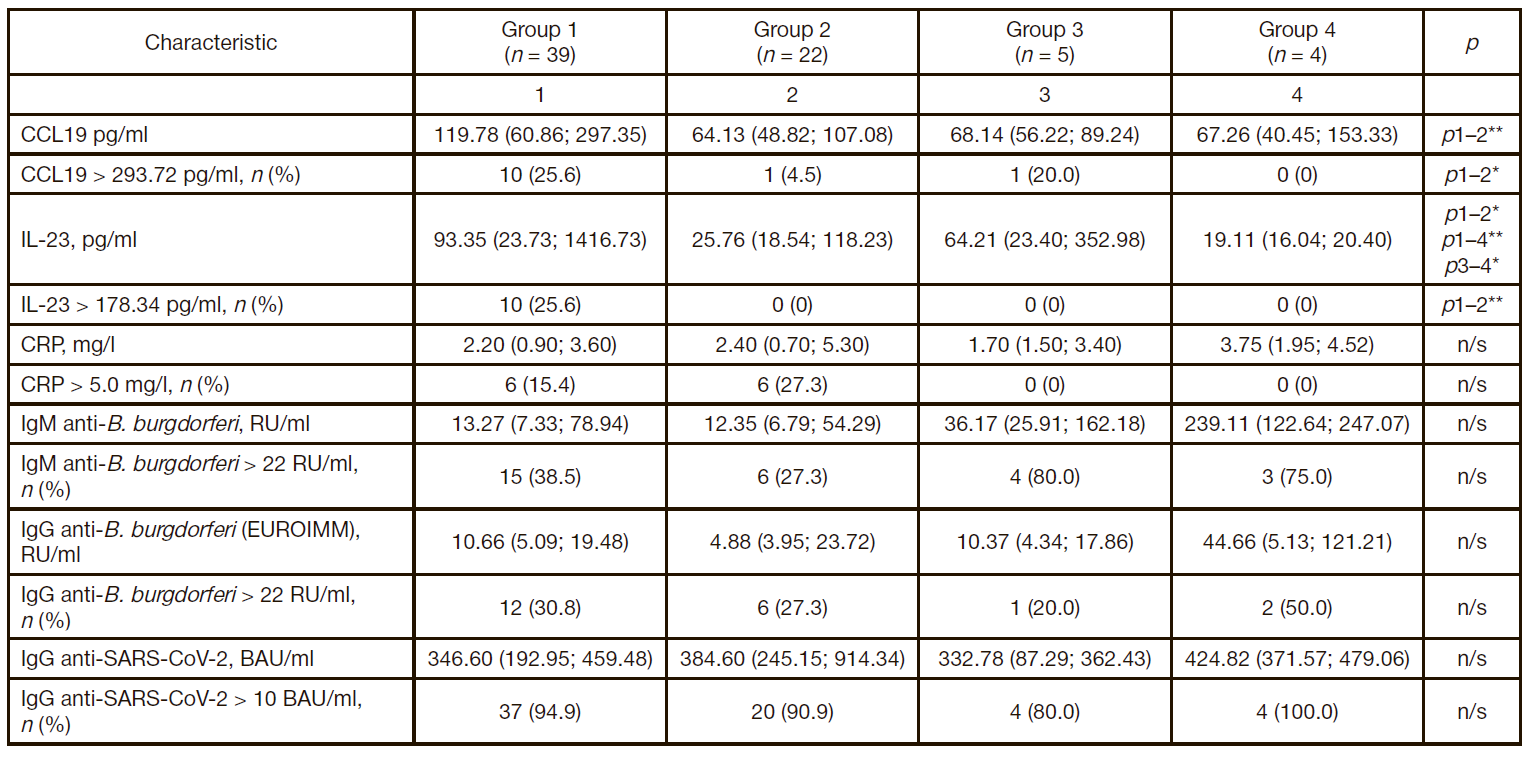
Table 2. Serum concentration of CCL19, IL-23, and other immunological markers, median (25th; 75th percentile), in PLS patients with neurological involvement, all groups
Note: * — the differences between the groups are significant, p < 0.05; ** — the differences between the groups are significant, p < 0.01; n/s — the differences between the groups are not significant.
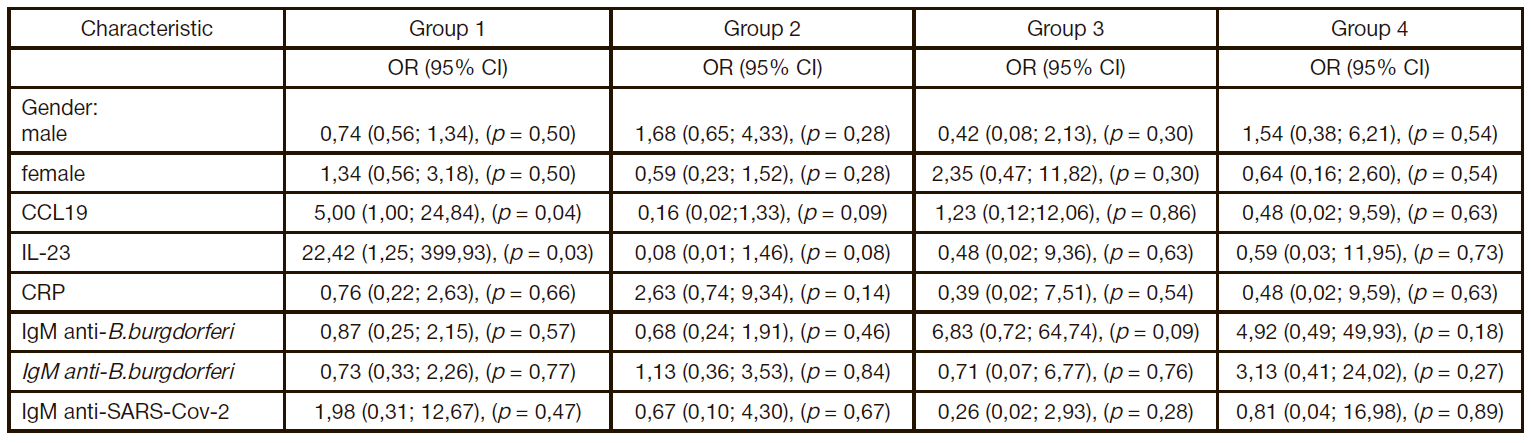
Table 3. Odds ratio for women and men, overproduction of CCL19, IL-23, immunological markers for groups of PLS patients with neurological involvement